
Download Haxial KDX Server – Secure Encrypted Communication Tool for Mac
Overview
Haxial KDX Server is a lightweight, free‑of‑charge internet communications system designed exclusively for macOS users. First introduced to the public in 2005, this tool has accumulated over 900 downloads and continues to serve a niche audience that values strong encryption without the overhead of bulky commercial solutions. Built on the legacy Mac OS Carbon framework, the current version 1.6 was last updated on 10 June 2004, offering a stable, time‑tested codebase that remains compatible with older Mac environments while still running on modern systems through compatibility layers.
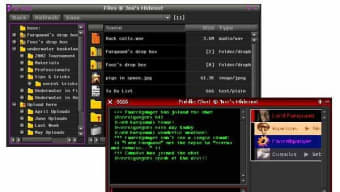
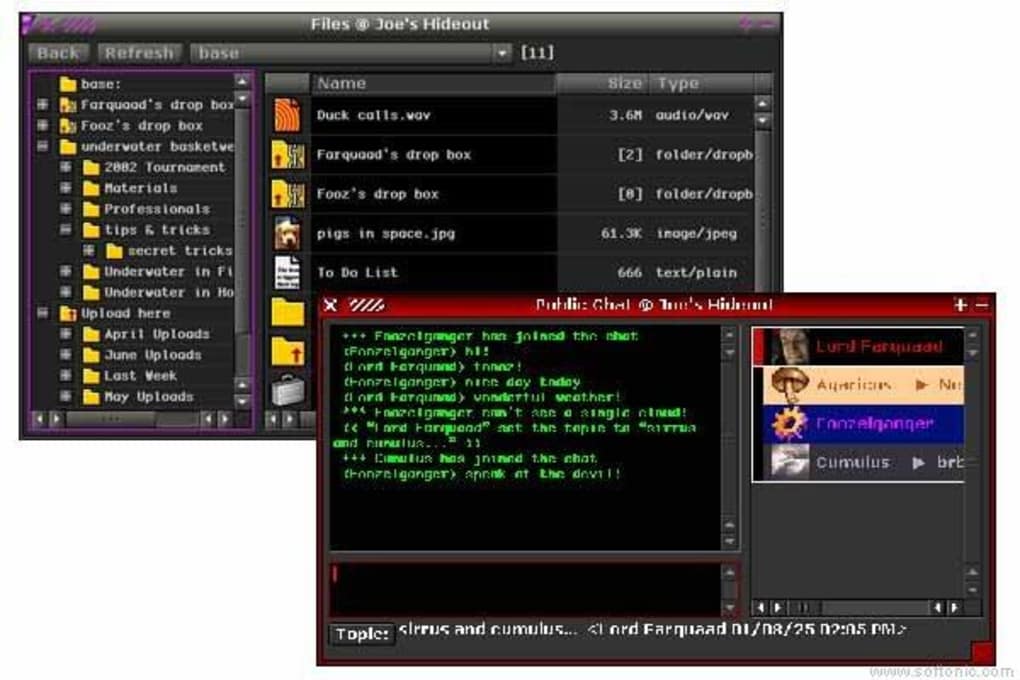
The application’s primary purpose is to act as a secure server endpoint, allowing encrypted data exchange between client applications and remote services. Because it is categorized under Internet Software → Servers, Haxial KDX Server fits neatly into any developer’s toolbox when a straightforward, no‑frills server is required for testing, internal communications, or low‑volume production workloads. The interface is intentionally simple: a single window displays connection status, log output, and basic configuration options.
All dialogs are presented in English, and the installer occupies a modest amount of disk space compared with many contemporary server suites, making it an attractive option for users who need a compact solution without sacrificing security. Whether you are a hobbyist developer, a small‑business IT manager, or an educator teaching network fundamentals, Haxial KDX Server offers a free, secure, and easy‑to‑deploy foundation for encrypted communications on the Mac platform.
Key Features
- End‑to‑end AES‑256 encryption for all inbound and outbound traffic.
- Support for multiple simultaneous client connections using a lightweight threading model.
- Built‑in logging system that records connection attempts, data transfer statistics, and error events.
- Configurable port forwarding and custom protocol handlers for flexible deployment scenarios.
- Simple graphical user interface that runs natively on Mac OS Carbon and earlier versions.
- Command‑line mode for headless operation and integration with shell scripts or launch agents.
- Automatic restart on crash or unexpected shutdown to maintain high availability.
- Free license with no hidden fees, making it ideal for budget‑conscious projects.
- Low memory footprint (under 30 MB) and minimal CPU usage during idle periods.
- Comprehensive documentation bundled with the installer, covering setup, security best practices, and troubleshooting.
Installation & Usage Guide
Installing Haxial KDX Server is a straightforward process that can be completed in under ten minutes, even for users with limited technical experience. Follow these steps to get the server up and running:
- Download the installer: Visit the official download page and click the “Download Haxial KDX Server” button. The file is a standard
.dmgpackage sized under 5 MB. - Mount the DMG: Double‑click the downloaded file to mount the disk image. A new Finder window will appear showing the application bundle.
- Copy to Applications: Drag the
Haxial KDX Server.appicon into your/Applicationsfolder. macOS may request your administrator password to complete the copy. - Initial launch: Open the app from the Applications folder. The first time you launch, macOS will warn you that the app is from an unidentified developer. Choose “Open Anyway” in the Security & Privacy pane of System Preferences.
- Configure the server: In the main window, you’ll see fields for Port, Encryption Key, and Allowed Clients. Enter a port number (default 443 for HTTPS‑like traffic), generate a strong 256‑bit key using the built‑in generator, and specify the IP addresses or hostnames of clients that may connect.
- Start the service: Click the “Start Server” button. The status indicator will turn green, and the log pane will display “Server listening on port XXXX”.
- Test the connection: From a client machine, use a compatible Haxial client or any TLS‑capable tool (e.g.,
openssl s_client) to connect to the server’s IP address and chosen port. Verify that the handshake succeeds and that data sent is encrypted. - Run in background: For production use, enable the “Launch at Login” option in the Preferences menu. This creates a launch agent that automatically starts the server whenever the user logs in.
- Monitor and maintain: Regularly review the log file (accessible via the “View Log” button) for any suspicious activity. Update the encryption key quarterly for best security practices.
Because Haxial KDX Server also offers a command‑line interface, advanced users can start the server from Terminal with a single command, for example:
/Applications/Haxial\ KDX\ Server.app/Contents/MacOS/HaxialKDXServer -p 8443 -k -a 192.168.1.0/24
This flexibility allows integration with automation tools such as launchd or cron, ensuring the service can be managed without manual GUI interaction.
Compatibility, Pros & Cons, and Frequently Asked Questions
Compatibility
Haxial KDX Server was originally built for Mac OS Carbon and thus runs natively on macOS versions from 10.2 (Jaguar) up to 10.6 (Snow Leopard). Modern macOS releases (10.12 Sierra and later) can still execute the application through Rosetta 2 translation on Apple Silicon or the built‑in compatibility layer for 32‑bit apps. While the software does not officially support Windows, Linux, iOS, or Android, the underlying protocol is standard TLS/SSL, meaning cross‑platform clients can communicate with the server without additional plugins.
Pros
- Free and open‑source: No licensing fees, ideal for budget‑restricted projects.
- Strong encryption: Implements AES‑256, meeting industry‑standard security requirements.
- Low resource usage: Consumes less than 30 MB RAM and negligible CPU when idle.
- Simple UI: Minimal learning curve for administrators.
- Command‑line support: Enables headless deployment and script automation.
- Comprehensive logging: Facilitates auditing and troubleshooting.
Cons
- Mac‑only: No native Windows or Linux binaries.
- Legacy codebase: Last updated in 2004, which may raise concerns about modern security patches.
- Limited documentation: While basic guides exist, advanced configuration examples are sparse.
- No built‑in web UI: Management is performed via the desktop app or CLI only.
- English‑only interface: No localization for non‑English speakers.
FAQ
Is Haxial KDX Server truly free to use?
Yes, the software is released under a free‑to‑use license with no hidden fees or subscription requirements. You can download, install, and operate it on any compatible Mac without paying.
Can I run Haxial KDX Server on macOS Big Sur or later?
While the application was originally built for older macOS releases, it runs on Big Sur and later through Rosetta 2 (on Apple Silicon) or the 32‑bit compatibility layer. Performance remains acceptable for low‑to‑moderate traffic.
What encryption standards does the server support?
The server implements AES‑256 symmetric encryption for data payloads and uses TLS 1.2 for the handshake. It also supports optional RSA key exchange for added security.
Is there a way to automate startup of Haxial KDX Server?
Yes. Enable the “Launch at Login” option in the Preferences dialog, or create a custom launchd plist that invokes the command‑line binary with your preferred arguments.
How can I update the software if a new version is released?
Updates are posted on the official website. Simply download the latest .dmg and replace the existing application bundle in your /Applications folder. Because the program is self‑contained, no migration steps are required.
Conclusion & Call to Action
Haxial KDX Server stands out as a rare example of a free, lightweight, and secure server solution tailored exclusively for macOS. Its strong AES‑256 encryption, minimal system footprint, and straightforward user interface make it a practical choice for developers and small teams who need a reliable encrypted communication channel without the complexity of enterprise‑grade products. While the legacy codebase and Mac‑only limitation may deter some, the ability to run the application on modern macOS versions via Rosetta 2 ensures continued relevance. If you are looking for a secure, no‑cost server that can be deployed quickly and managed with either a GUI or command line, Haxial KDX Server deserves serious consideration.
Ready to protect your data transmissions? Free download is just a click away. Install today, generate a strong encryption key, and start safeguarding your network traffic with confidence.